Article: Lab-Grown vs Natural Diamonds: What's the Real Difference?
Lab-Grown vs Natural Diamonds: What's the Real Difference?
So you're diamond shopping, and somewhere along the way you bumped into the big question: lab-grown or natural? It's one of the most-searched questions in fine jewelry right now, and honestly, it's a great one to ask. Let's get into it.
First things first: they're both real diamonds
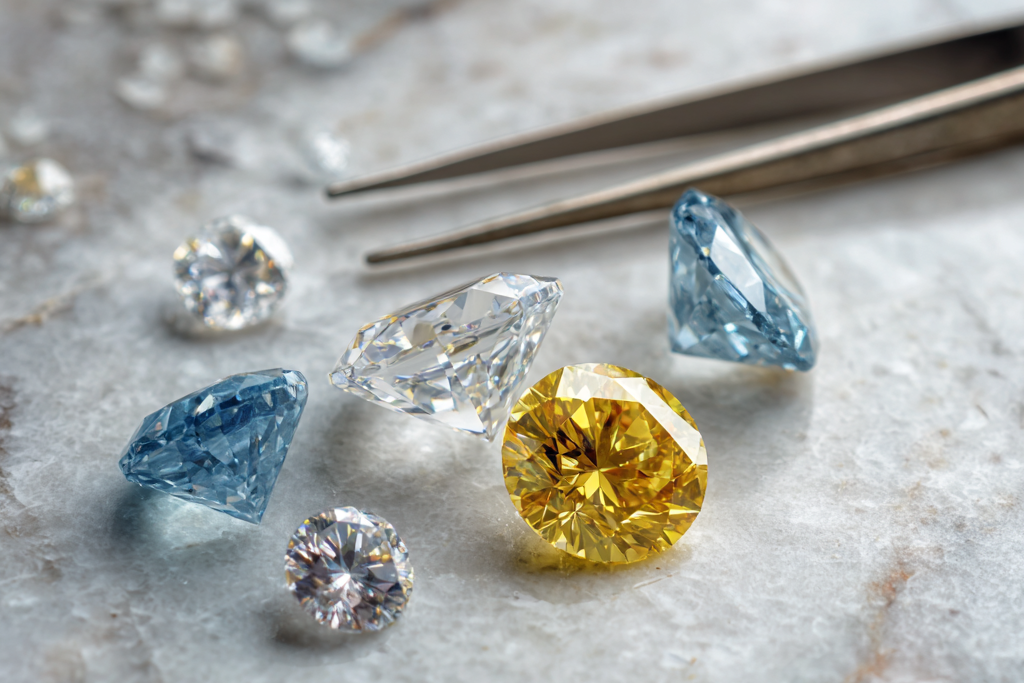
Here's the part that surprises people the most. A lab-grown diamond isn't a fake, a simulant, or "diamond-ish." It's chemically, physically and optically identical to a natural diamond. Same crystal structure, same hardness (a perfect 10 on the Mohs scale), same fire and brilliance. The only real difference is where it was formed.
Natural diamonds were created deep in the earth over millions (sometimes billions) of years, under intense heat and pressure, before being mined to the surface. Lab-grown diamonds go through the exact same crystallization process, just recreated in a controlled lab environment, in a matter of weeks instead of eons. Same carbon, same sparkle, very different timeline.
So why choose one over the other?
Lab-grown diamonds: modern, transparent, and kinder on the planet
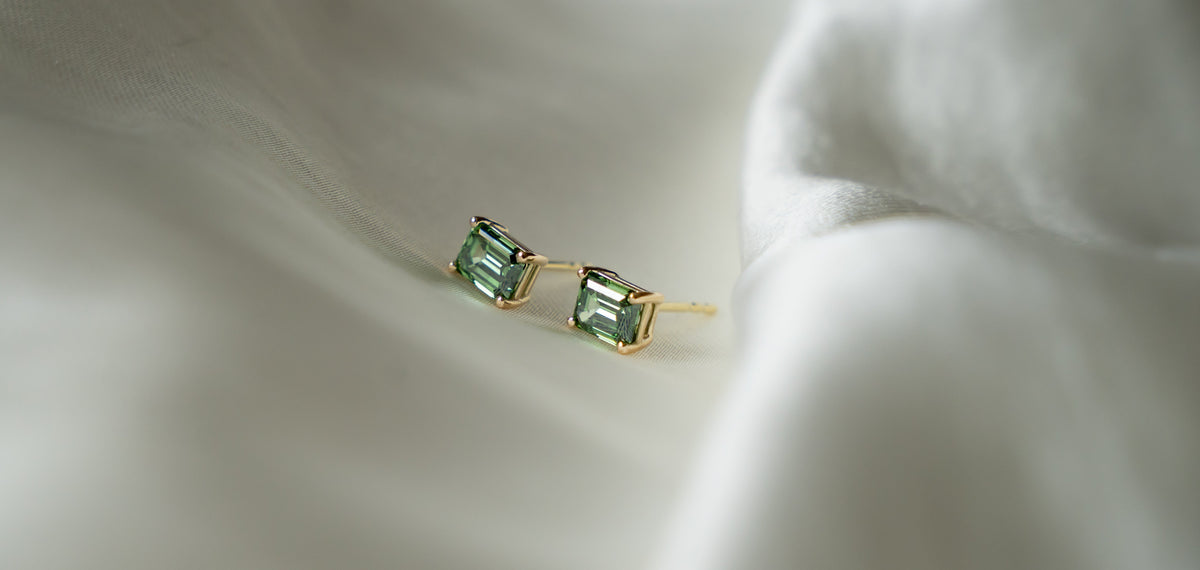
At Longfield, our entire own collection: rings, pendants, earstuds, bracelets is built around lab-grown diamonds, and that's a deliberate choice. A few reasons why:
- Traceability. We know exactly how and where each stone was created. No guesswork, no grey areas.
- Sustainability. Lab-grown diamonds skip the environmental footprint of large-scale mining.
- More diamond for your budget. Because they're not extracted from the earth, lab-grown diamonds typically cost significantly less than natural diamonds of the same size and quality. Meaning you can go bigger, cleaner, or higher color grade for the same price.
- Certified quality. Just like natural stones, our lab-grown diamonds from 0.5 carat and up come with an official certificate (GIA or IGI), so you know exactly what you're getting.
Natural diamonds: rarity, heritage, and that "formed by the earth" story
There's still something undeniably romantic about a stone that took millions of years to form underground. For some people, that's exactly the point — natural diamonds carry a sense of rarity and heritage that's hard to replicate, and for heirloom pieces or certain wedding traditions, that story matters.
This is exactly why our bespoke atelier and our wedding section — think engagement rings and wedding bands for him and her — are set up differently from our core collection. There, you're not limited to lab-grown only. Under the guidance of our own team, you're free to choose a natural or a lab-grown diamond, whichever feels right for the piece you're creating.
Can you even tell the difference by looking at them?
Nope. Not with the naked eye, not with a loupe, and honestly, not even most jewelers can tell without specialized lab equipment. The 4 C's: cut, color, clarity and carat apply exactly the same way to both. A well-cut lab-grown diamond will outshine a poorly cut natural one every single time, and vice versa. The diamond's beauty comes down to quality, not origin.
Which one is "better"?
Honestly? Neither. It depends on what matters most to you.
- Want maximum sparkle for your budget, full transparency, and a lower environmental footprint? Lab-grown is very likely your answer.
- Drawn to the idea of a stone formed by nature over millions of years, especially for a heritage or bespoke piece? Natural might be the one.
The good news: whichever direction you lean, you don't have to figure it out alone. Whether you're browsing our ready-made collection or designing something one-of-a-kind in our bespoke atelier, our team is happy to talk you through the options. No pressure, just honest advice.
Curious what your options look like for an engagement ring or wedding band? Explore our wedding section or start a conversation about a fully bespoke piece.